
The Box Was the Excuse
Why I'd hand my sixteen-year-old a Raspberry Pi and a list of three businesses on our street.

When I was sixteen I built computers. Not from a kit. From parts. I’d ride to the local electronics store and buy a motherboard, a stick of RAM, a CPU, a power supply, and a case, bring it all home, seat each piece, flash the BIOS, and end up with a machine that was mine because I had made it. I knew every component in it. When something failed, I knew where to look. By today’s standards they’re ugly but they look something like the following.
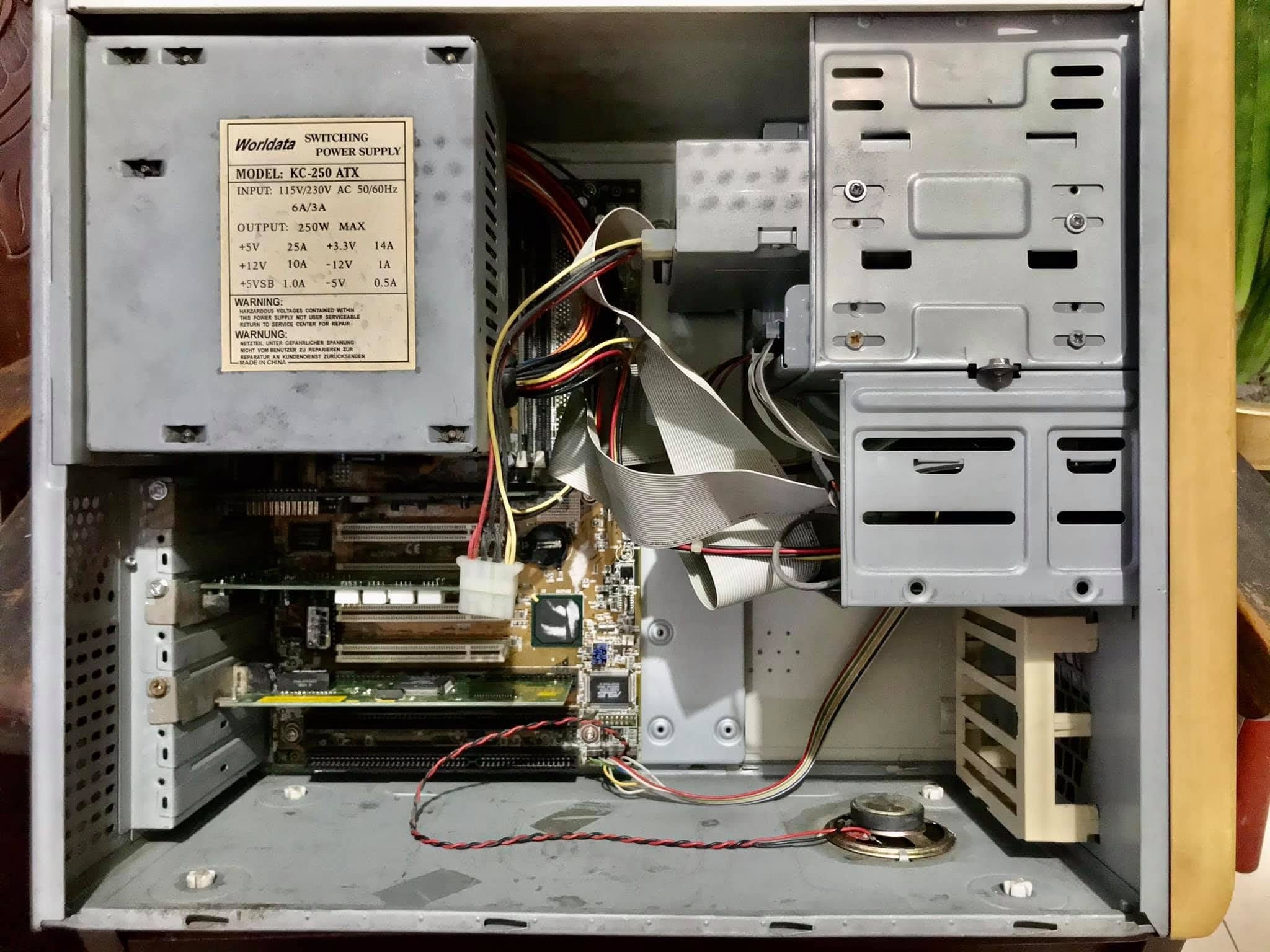
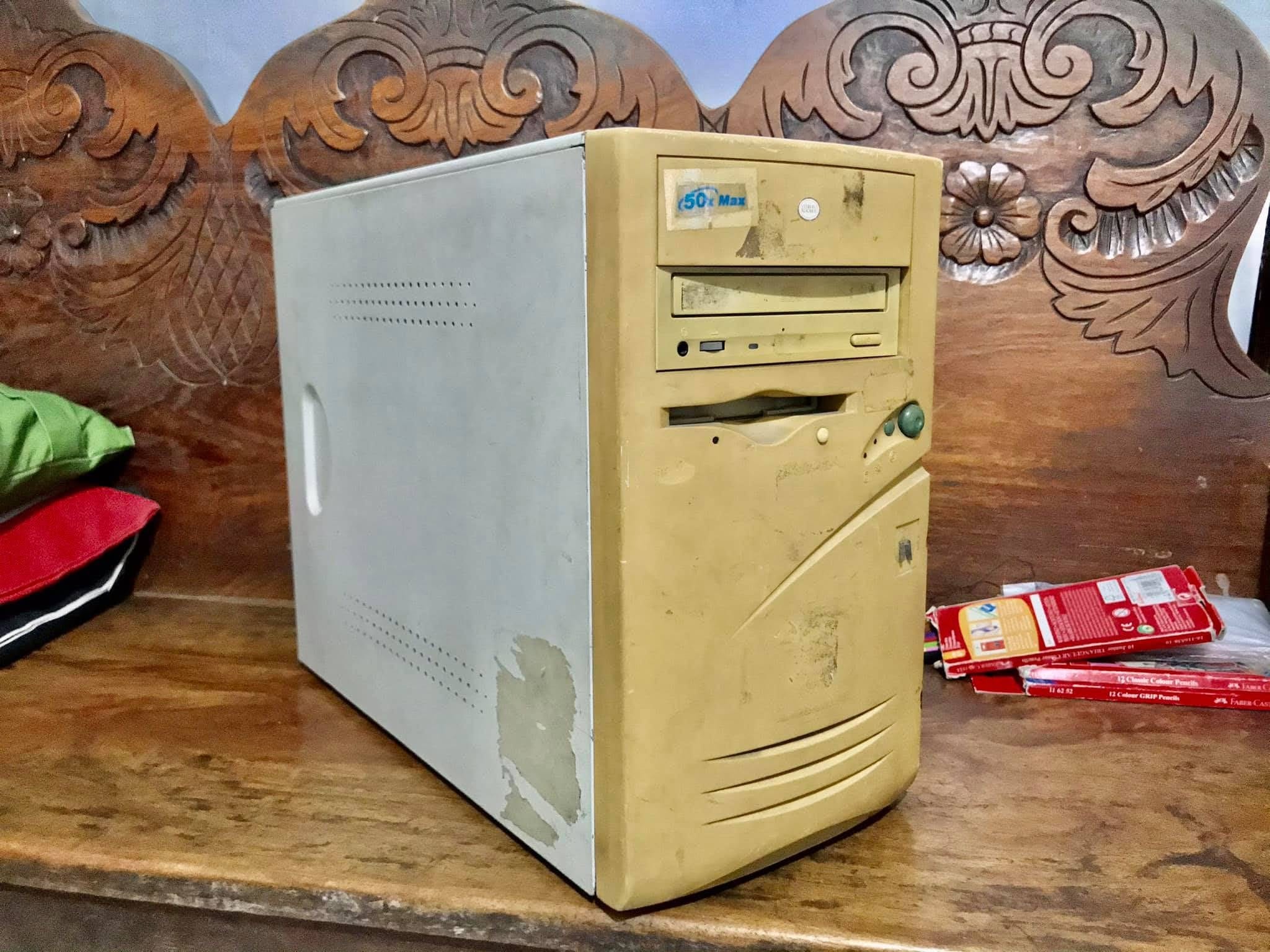
Some of my friends did the same thing and then took one more step. They sold them. They built machines for other people, and more often for small businesses. Every business needed a computer and most owners had no idea what to buy or how to assemble it. A teenager who could walk in, ask what they needed, and come back with a working machine had something real to sell.
Those friends did well. Not from the margin on a build. There wasn’t much. They did well because at fifteen and sixteen they learned the actual job: find a person with a problem, solve it in front of them, get paid, do it again. The computer was the excuse. The door was the skill.
I think that era is back.
The new version of the same on-ramp
Small businesses are where AI adoption is going to be slowest and where it will matter most. A plumber, a jeweler, a two-location dry cleaner. Most of their day is scheduling, quoting, chasing customers, posting to a Google Business page, and reconciling a ledger at night. Large language models do all of that competently now. The owners know it. Each skill has to to be set up for them and the store owner needs to understand the outcomes the skills are driving. No need to buy most of the expensive SaaS software. What they don’t have is anyone who will sit with them, understand their shop, and set it up.
That’s the gap. And it is the kind of gap a sixteen-year-old can fill, because it doesn’t reward capital or credentials. It rewards showing up.
Here is what I would build if I were sixteen again.
What I’d build
I’d build hardware. A Raspberry Pi (for anyone who hasn’t met one, the cheapest real computer you can buy, eighty to a hundred and fifty dollars), running Linux instead of Windows or Mac. On it I’d load a Claude subscription with computer use, browser control, and a few basic tools. Then I’d configure it for one specific business, sitting in that business, with the owner watching. Side note, Claude hasn’t gotten this right with their current small business offering yet (https://www.anthropic.com/news/claude-for-small-business).
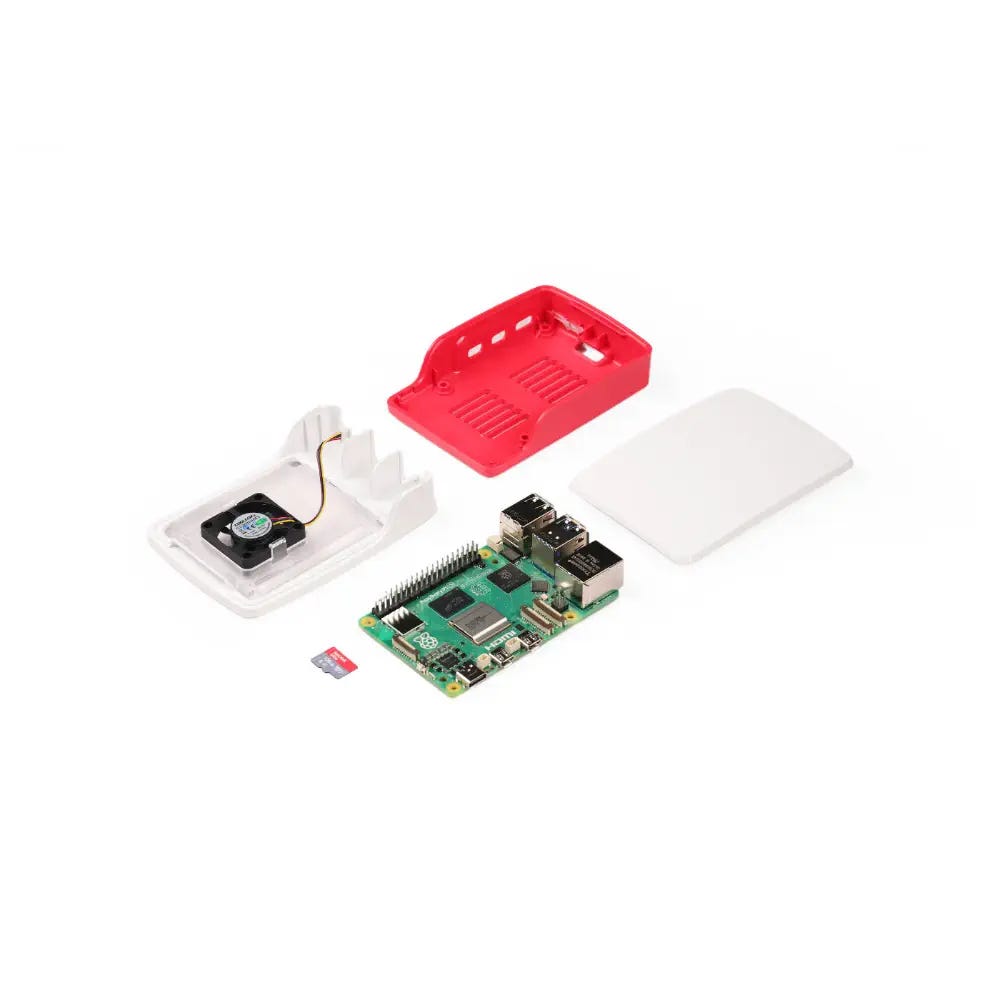
On the front office it would handle the work that leaks revenue when it slips: booking appointments, drafting and sending quotes, following up with customers before they go cold, keeping the website current, managing the Google and social posts. On the back office it would watch the daily ledger and flag what’s worth the owner’s attention. Everything routes through one Slack channel the owner already checks.
The rule that makes it work: it never acts on its own. It drafts the quote and waits. It writes the follow-up and waits. It acts the way a good new employee acts. It asks before it sends. The owner is approving an AI staff member, or a small set of them, not handing the keys to a black box. That single constraint is what lets a plumber trust it near his customers and his books.
Call it Cloth. A small business’s own version of having an AI workforce, installed and supervised, not rented and hoped for.
Why hardware, when the software would run in a browser
It wouldn’t need to be a Pi. The whole thing could live in a tab. I want to be honest that part of why I reach for the hardware is sentiment. It’s the same act I loved at sixteen, holding the thing I built. But there’s a real reason too, and it took me a while to see it. Walk into almost any retail store and there is still a physical phone on the counter. Not because a phone on the counter is optimal. Because the owner understands it, trusts it, and can point to it. It’s theirs in a way a login is not.
A small box on the counter running their AI staff is legible the same way. The owner can see it. They can unplug it. When they want to show a customer or a spouse what they did, they can point to an object. That legibility is the product as much as the automation is. The PC era sold the business a box. This sells the work the box does, but the box still earns its place by making the work something the owner can hold.
The part that’s for the parents reading this
The money here is small. A teenager might charge a few hundred dollars to set one up and a small monthly fee to keep it tuned. This is not a venture-backed company and I wouldn’t pretend it is. If your sixteen-year-old asked me whether this becomes a career, I’d say I don’t know, and that’s the wrong question.
The right question is what it teaches. Knocking on the door of a business you didn’t grow up in and asking the owner what’s hard about their week. Getting told no and going to the next one. Watching something you built save a stranger two hours a day and seeing their face when it does. Setting a price, collecting it, and standing behind the work when it breaks. None of that is on a syllabus. All of it is the job, and the friends I watched learn it at sixteen were running real companies fifteen years later.
What I’d tell my sixteen-year-old self is to go do this, badly at first, in person. What I’d tell the parents who read this (most of you have built something real) is the same thing you already know about your own start: the friction was the lesson. Don’t optimize it into a clean internship for them. Hand them a Raspberry Pi and a list of three businesses on your street, and let them knock.
The box was always the excuse. The door is the whole thing.